A Brief Intro To Rome
We would like to thank you for visiting RomeInSight.com, your online Rome tour guide for your vacation to Rome, Italy. You can count on us to provide you with the most useful travel advice for your trip to Rome city’s attractions. Because of the large number of visitors who come to this city in Italy, it is important to make reservations in advance for admission to some of the tourist attractions and landmarks and to carefully plan out your trip. If you plan your trip to Rome with the advice found on RomeInSight.com, you can be certain that it will be enjoyable.
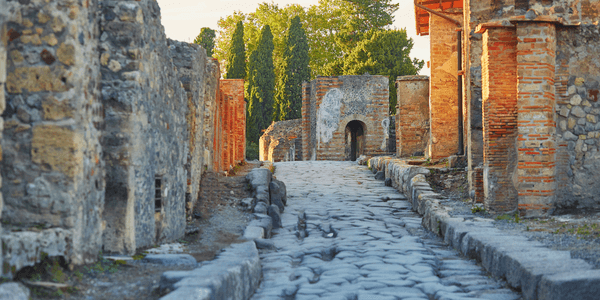
Rome, also known as Roma in Italian, is the capital city of Italy and is home to two-point-eight million people who consider themselves Romans. Remus and Romulus, legendary founders of Rome, are said to have laid the foundations of the city around 753 BCE. The city was established on top of seven hills, including the Esquiline Hill, Palatine Hill, Caelian Hill, Aventine Hill, Quirinal Hill, Capitoline Hill, and Viminal Hill. Rome is situated on the banks of the river Tiber and was named for the seven hills on which it was established. In subsequent years, the region of the massive Roman Empire that was centered around Capitoline Hill and Palatine Hill in particular would emerge as the political epicenter of the empire. There are numerous remnants and excavations of the Forum Romanum that can be found in this area, and the Colosseum will give you an idea of how gladiators fought in this immense Roman amphitheatre. The Pantheon, which currently serves as a church, is one of the structures from Roman times that has been preserved in the greatest possible condition. It is known for its distinctive open-air, spherical roof. The Via Appia is one of the most ancient avenues in Rome, Italy, and walking down it is like taking a step back in time. In essence, the entire city of Rome functions as a one enormous museum. Because of this, the fact that the original old city center has been added to the UNESCO World Heritage List should not come as a surprise to anyone.
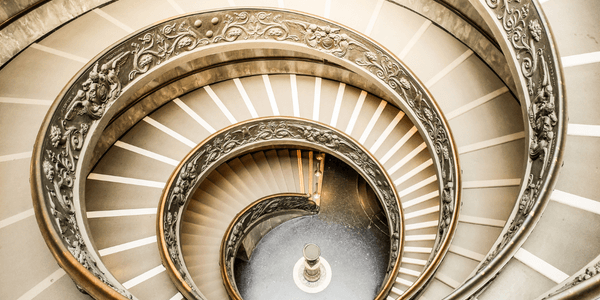
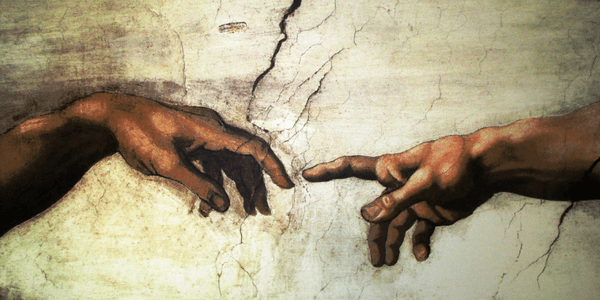
The Vatican City-State is a one-of-a-kind microstate, and the Pope holds the position of Head of State there. This tiny state covers a total area of about 44 hectares, the majority of which is occupied by St. Peter’s Basilica and St. Peter’s square, which are famous for the ‘Urbi et Orbi’ speeches given by the Pope. The Sistine Chapel, which is located within the Vatican Museums, is sure to be the most memorable aspect of the trip for many tourists that come to Vatican City. Beautiful frescos by Michelangelo decorate the walls of the room where the cardinals meet to elect a new pope. This room serves as the setting for the conclaves.
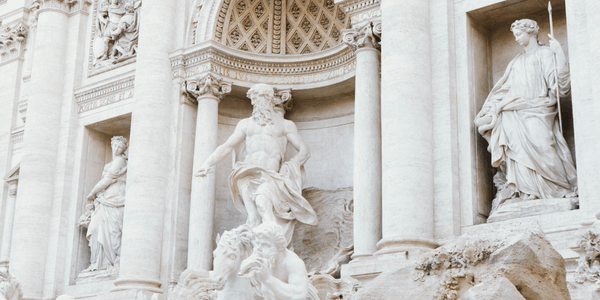
Where should one go when in Rome, Italy? There is not a single city on the entire globe that is as emblematic of the Catholic faith as Rome, which has over 900 churches. Rome is home to seven pilgrimage churches in addition to its four papal basilicas. Each cathedral is more exquisitely decorated than the one before it, including works of art by renowned artists like as Michelangelo, Raphael, Caravaggio, and Bernini. If you have a passion for art, the Galleria Borghese is the perfect place for you to spend some time. Rome is a frantic and lively metropolis in which you can easily keep oneself entertained for a minimum of a week thanks to all of its historical sites and excavations, its magnificent churches, the Vatican, its fun neighborhoods like Trastevere, its gorgeous fountains (such as the famous Trevi Fountain) – its tasty trattorias, picturesque views on the romantic Spanish Steps, and its trendy fashion shops.
The public transportation system in Rome’s city center might be difficult to navigate. The city now has two metro lines that are fully operational. Because of all of the excavations, the construction of a third subway line has been repeatedly pushed back. There are a variety of discounted tourist passes available to pick from in order to make advantage of the public transportation system while on vacation. Our comprehensive travel guide to Rome, which also includes advice on how to make the most of your time in the city by seeing its many sites and navigating around the city on your own, is a great resource for anybody planning a trip there.
Rome Basics
Rome is one of Europe’s most recognizable and visited cities, with a vast history to match. Rome has it all, with a melting pot of cultures from all over the world. Wander the cobblestone streets with a gelato in hand, people-watch from the famous Spanish Steps, enjoy countless hours in galleries, and take in all of the city’s gorgeous architecture. Rome is a foodie’s paradise, with everything from world-class cuisine to informal trattorias and takeout pizzas. Here’s my comprehensive Rome trip guide!
Rome is a major city with excellent public transit and welcoming residents. I would recommend learning a few important words or phrases in Italian, but there will be plenty of English speakers around if you need help.
Language: Of course, modern Romans speak Italian, which is well acknowledged as the language of romance, passion, and love. There are also many English speakers in and around Rome.
Italy’s currency is the euro (EUR).
Major credit cards are widely accepted throughout Rome, particularly Visa, while cash is preferred for modest purchases. Some galleries and market vendors will only take cash. It would be wise to always have a few euros in your pocket, just in case you need to tip or purchase a small item from a vendor.
Climate: Located right off the coast of the Mediterranean, Rome has a mild and temperate climate with average temperatures of 60 degrees Fahrenheit. Expect more rain in the winter and bright, sunny weather in the summer.
How to get to Rome: Many airlines fly from and to Fiumicino Airport on a regular basis, so you may choose an airline according to your origin point. You may also arrive in Rome by train, since most routes terminate at Roma Termini, the city’s main train station.
Driving a car in Rome is not recommended—traffic is hectic to say the least, and drivers are wild. Americans will have a hard time understanding the nuances of local traffic rules. Taxis in Rome are an alternative, although they are more costly.
Wandering about on foot (which I think is the most charming way to explore the city’s secret nooks) or taking use of the outstanding public transportation system of buses, trolleys, trams, metro, and light trains.
If you’re in Rome for more than a day or two, consider purchasing the Roma Pass, which costs 38 euros and includes unlimited public transit, entry to two museums, and savings on concert and exhibition tickets.