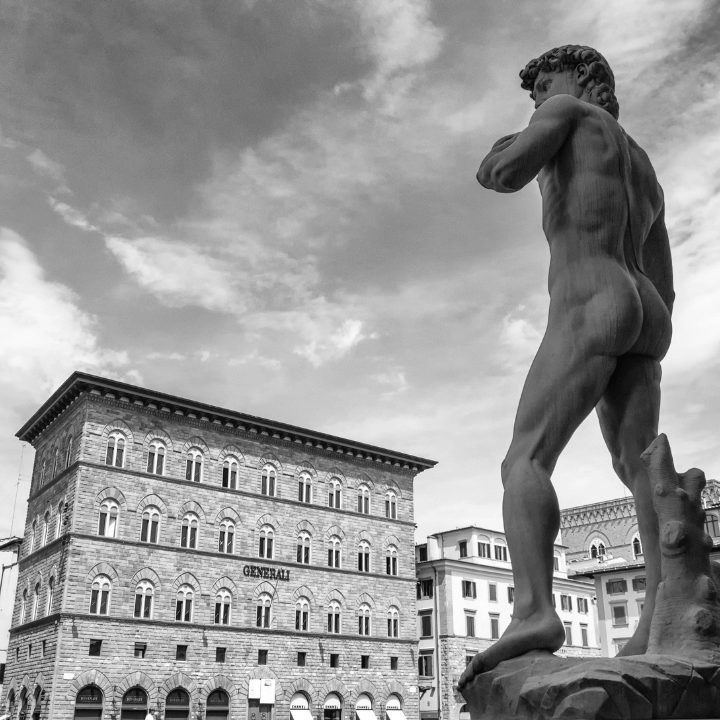
All About David by Michelangelo

Michelangelo’s David sculpture is an enduring masterpiece of the Renaissance period. Standing 17 feet tall, the sculpture depicts a larger-than-life David, the biblical hero who defeated the giant Goliath with a single stone from his sling. Throughout this article, we will delve into the sculpture’s history and context, examine its fabrication methods, highlight its distinctive characteristics, discuss its reception and enduring impact, and address the controversies and restoration efforts surrounding the masterpiece.

Background

During the Renaissance era, a resurgence of interest in classical art and literature emerged. Michelangelo, a highly esteemed artist from that period, was tasked by the Florence Cathedral in 1501 to fashion a sculpture of David. This was to replace a previous statue of David that had been destroyed in 1495. David was a symbol of Florence’s independence, and the commission was seen as a way of celebrating the city’s victory over Milan.

Being only 26 years old, Michelangelo had already forged a name for himself as an accomplished sculptor. He was known for his skill in creating realistic human figures and had already completed several famous sculptures, including the Pietà in St. Peter’s Basilica in Rome. He drew inspiration for his David sculpture from ancient Greek and Roman sculptures, particularly the Apollo Belvedere and the Laocoön and His Sons.

Creation of the Sculpture

Michelangelo used a block of marble that had been discarded by two other sculptors for his David sculpture. The marble block weighed over six tons, and it was initially thought to be too flawed to be used for a sculpture. However, Michelangelo saw potential in the block and spent three years working on the sculpture.

The process of creating the David sculpture was a challenging one. Michelangelo worked from a single block of marble, and any mistake he made could have ruined the entire sculpture. He employed a fusion of conventional carving methods and his distinctive style in the art of sculpting. He also had to make the sculpture anatomically correct, which required a deep understanding of human anatomy.

Finished in 1504, the sculpture was showcased in Florence’s Piazza della Signoria. Swiftly, the statue became a symbol of the city’s power and influence, and it continues to be recognized as one of the most famous sculptures around the globe.

The Iconic David

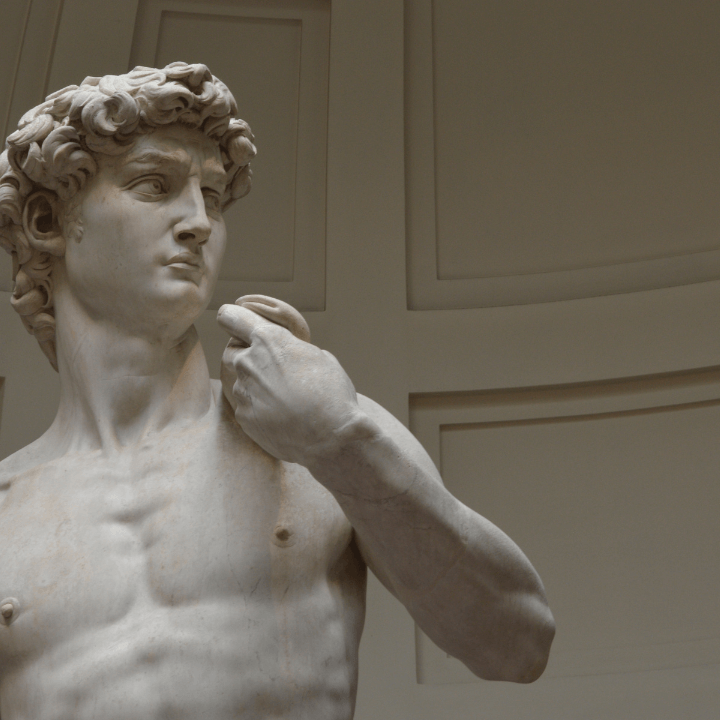
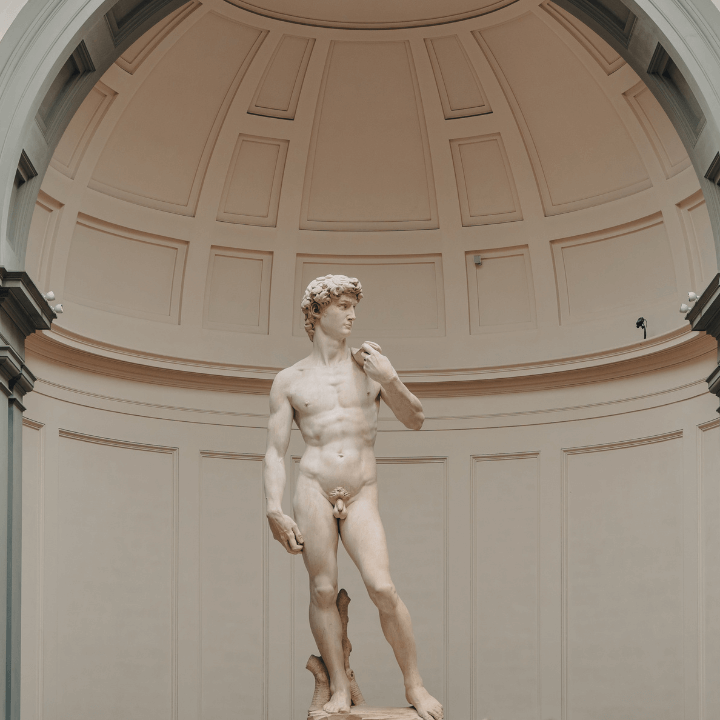
The David sculpture is known for its incredible detail and realism. Michelangelo’s attention to detail is evident in the way he depicts David’s muscles, veins, and tendons. David is portrayed as a self-assured and powerful youth, grasping the sling in his right hand that brought down Goliath. Positioned with the weight supported on his left leg, his right leg exhibits a subtle bend at the knee.

The sculpture is also known for its artistic qualities. Michelangelo created a sense of movement and dynamism in the sculpture, with David’s twisting pose and the flowing drapery around his waist. The sculpture is also notable for its balance and symmetry, with David’s body appearing perfectly proportioned.

Reception and Legacy

The David sculpture was initially met with awe and admiration when it was unveiled in Florence. Promptly, the statue established itself as an emblem of Florence’s might and autonomy, residing in the Piazza della Signoria until 1873. Subsequently, the artwork was relocated to the Accademia Gallery in Florence, it’s current home.

The David sculpture has had a profound influence on the world of art. Over the years, innumerable artists and art enthusiasts have revered the piece, leading to the creation of numerous inspired works. The sculpture has additionally been replicated in diverse ways, ranging from miniature to life-sized reproductions.

Controversies and Restorations

Despite its universal acclaim, the David sculpture has been the subject of controversies over the years. A significant controversy unfolded in the 19th century as sections of the sculpture sustained damage amidst a political upheaval. The damaged parts, including David’s left arm, were restored, but the restoration process was controversial, as some critics felt that the  restoration changed the sculpture’s original appearance.

In contemporary times, discussions regarding the sculpture’s nudity and the potential need for concealment or censorship have emerged. Nevertheless, the majority of art historians and critics concur that its nudity is a crucial aspect of the artwork and its aesthetic appeal.

Over time, the sculpture has undergone numerous restorations, with the most significant taking place in the 1990s. This particular restoration involved cleaning and repairing the piece, along with the installation of an enhanced lighting system to further accentuate the sculpture’s characteristics.

Conclusion

Michelangelo’s David sculpture remains one of the most iconic and celebrated artworks in history. Its incredible detail, realism, and artistic qualities have inspired countless artists and art lovers over the years. Notwithstanding the controversies and restoration efforts, the sculpture has persevered as a symbol of human fortitude, resilience, and victory over hardship. Its enduring legacy continues to inspire and captivate audiences today, making it a true masterpiece of the Renaissance period.
Published
Categorized as Rome

Bella Cucina! Discover Rome’s Hidden Gems for Authentic Italian Cuisine

Are you ready for a culinary adventure in the heart of Italy? Look no further than Rome’s hidden gems for authentic Italian cuisine! From traditional trattorias to modern twists on classic dishes, Bella Cucina awaits. Join us as we explore the best spots for mouthwatering pasta, delectable seafood, and heavenly gelato. Get your taste buds ready for an unforgettable journey through Rome’s food scene. Buon appetito!

Introduction to Rome and its Cuisine

Rome’s cuisine reflects this diversity, with influences from all over the world. Rome’s cuisine is known for its use of fresh, seasonal ingredients and simple preparations. Rome’s cuisine has been shaped by the many different cultures that have influenced the city over the centuries.

Today, you can find Roman restaurants serving dishes from all over the world. However, if you want to experience authentic Roman cuisine, you need to know where to look. Here are some hidden gems for finding authentic Italian food in Rome:

  1. Trattoria da Bucatino

This trattoria is located in the Jewish Ghetto, one of Rome’s oldest neighborhoods. The restaurant specializes in traditional Jewish-Roman dishes like fried artichokes and carciofi alla giudia (deep-fried artichokes). The Trattoria da Bucatino is also known for its handmade pastas, including bucatini all’amatriciana (thick spaghetti with pancetta and tomato sauce) and carbonara (eggs, pancetta, and Parmesan cheese).

  1. Pizzeria Da Baffetto

Traditional Roman Dishes to Try

When in Rome, do as the Romans do! Traditional Roman cuisine is some of the best food you will ever have the pleasure of eating. hearty and filling, yet surprisingly light, Roman dishes are sure to satisfy your appetite:

  1. Bucatini all’Amatriciana: This dish is made with bucatini pasta (a type of hollow spaghetti), pancetta (Italian bacon), tomatoes, and red chili peppers. It is named for the town of Amatrice, in the central Italian region of Lazio.
  2. Spaghetti alla Carbonara: Another pasta dish, this one made with spaghetti and carbonara sauce, which is made with eggs, pancetta, and Parmesan cheese.
  3. Pollo alla Romana: Chicken cooked in a white wine and garlic sauce – simple but delicious!
  4. involtini di melanzane: Eggplant rolled around a filling of ground meat (usually beef or pork), bread crumbs, Parmesan cheese, and eggs, then fried or baked.
  5. supplì al telefono: Rice balls filled with mozzarella cheese and tomato sauce, then breaded and fried until golden brown – a true Roman classic!

Local Markets for Authentic Ingredients

If you’re looking for authentic Italian ingredients, your best bet is to head to a local market. Rome’s markets are full of fresh produce, meats, cheeses, and more – all of which make for a delicious meal. Here are some of our favorite markets in Rome:

Mercato Testaccio: This market is located in the historic district of Testaccio and is known for its fresh produce and meats. If you’re looking for a truly authentic Italian market experience, this is the place to go.

Campo de’ Fiori: This market is located in the center of Rome and is one of the most popular tourist destinations in the city. While it may be crowded, Campo de’ Fiori is a great place to find fresh fruits and vegetables, as well as other local ingredients.

Mercato di San Lorenzo: This market is located in the trendy neighborhood of San Lorenzo and offers a variety of fresh produce, meats, cheeses, and more. If you’re looking for an authentic Italian market experience with a modern twist, this is the place for you.

Hidden Gem Restaurants in Rome

If you’re looking for an authentic Italian dining experience, you can’t go wrong with any of these hidden gem restaurants in Rome. From trattorias serving traditional fare to upscale ristorantes with creative cuisine, there’s something for everyone.

  1. Trattoria da Baffetto: This trattoria is a local favorite for its pizza alla pala (thin-crust wood-fired pizza). The restaurant has been family-run for three generations, and the current owners have kept the traditions alive.
  2. Ristorante L’Arte della Pizza: This ristorante is known for its innovative pizzas, which are made with unique toppings and inventive flavor combinations. The restaurant has a casual atmosphere, and the service is friendly and efficient.
  3. Antica Hostaria da Franzese: This hidden gem is tucked away in a side street near the Vatican. The restaurant serves traditional Roman dishes, and the prices are very reasonable. The atmosphere is cozy and intimate, and the service is attentive without being intrusive.
  4. La Pergola: This Michelin-starred restaurant offers an unforgettable dining experience. Located atop a hill with sweeping views of Rome, La Pergola serves creative Italian cuisine that is both sophisticated and delicious. The service is impeccable, and the prices are high but worth it for this once-in-a-lifetime meal.

Street Food Vendors to Visit

When it comes to finding authentic Italian cuisine in Rome, you can’t go wrong with street food. From pizzas and pastas to gelato and espresso, there’s something for everyone to enjoy. And best of all, street food is relatively cheap and easy to find. Here are some of the best street food vendors to visit in Rome:

Pizza al taglio: This is a type of pizza that is sold by the slice. It’s often rectangular or square in shape and has a thick crust. Pizza al taglio is a popular street food in Rome and can be found at many pizzerias around the city.

Gelateria del Teatro: This gelateria, located near the Pantheon, is one of the best places in Rome to get gelato. They use traditional methods to make their gelato, and they have a wide selection of flavours to choose from.

Caffe Sant’Eustachio: This café, located near Piazza Navona, is known for its excellent espresso. The coffee beans are roasted on-site, and you can watch them do it through the glass window at the front of the café. The coffee here is some of the best in Rome.

La Prosciutteria: This shop, located in Testaccio Market, specializes in cured meats (prosciutto being the most popular). They also sell other traditional Italian foods such as cheese and bread.

Popular Nightlife Spots for Eating and Drinking

There are plenty of popular nightlife spots in Rome for enjoying some authentic Italian cuisine. Here are just a few of the most popular places to check out:

  1. Da Gino e Toto – This is a classic Roman trattoria that’s been around since the early 1900s. The food is simple and rustic, but absolutely delicious. Be sure to try the carbonara and amatriciana dishes.
  2. Antica Roma – This is another classic spot for enjoying some traditional Roman cuisine. The dishes here are slightly more refined than at Da Gino e Toto, but no less delicious. Make sure to try the spaghetti alla carbonara and the pollo alla cacciatora.
  3. La Pergola – For a truly upscale dining experience, head to La Pergola. Located atop a hill with sweeping views of Rome, this Michelin-starred restaurant serves up exquisite Italian fare. The tasting menu is definitely worth splurging on!
  4. Fiori di Zucca – If you’re looking for a casual spot to grab a bite and drink, Fiori di Zucca is perfect. This lively osteria serves up simple yet tasty dishes like fried zucchini flowers and supplì (fried rice balls). Wash it all down with a glass of wine or beer from the extensive list.
  5. Il Giardino dell’Infinito – This beautiful

Conclusion

The deliciously authentic Italian cuisine of Rome’s hidden gems offers visitors a unique taste of the Eternal City. From traditional dishes to modern takes on classic recipes, there is something for everyone at these local eateries. Whether you’re looking for a romantic dinner or just an afternoon snack, make sure to explore the city and discover its hidden culinary treasures! Buon appetito!

Published
Categorized as Food

Weather and Temperature on the Amalfi Coast

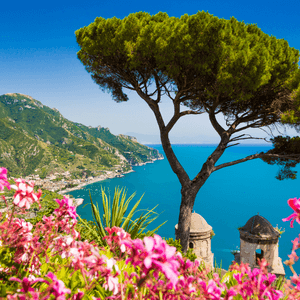
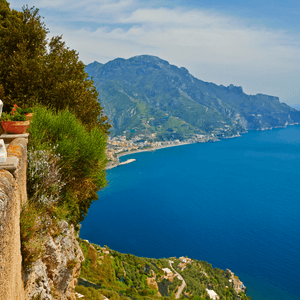
The rocky coastline, steep cliffs, and beautiful beaches of Italy’s Amalfi Coast have long captivated visitors. Small, intriguing museums, coastal restaurants and hotels and seashore promenades may be found in charming multi – coloured villages like Amalfu, Positano, and Praino.

The climate is, of course, an important part in the region’s allure, and the Amalfi Coast doesn’t at all disappoint for most of the year. Long, bright days and a longer summer season imply that there will be lots of good weather from May through October.

The Amalfi Coast may be windy, chilly, and wet in the fall and winter, and many of its tourist towns close for the season. Unless you enjoy dreary sky and deserted beaches, these may not be the greatest times to go to the Amalfi Coast.

Best Season To Visit

amalfi coast

The Amalfi Coast’s spring and summer months are beautifully bright and sunny, with sea breezes keeping temperatures from becoming excessively oppressive. Summer is prime tourist season in this area, therefore hotel costs will reach their maximum, especially in August. If you want to travel during the summer, book your hotel room early and don’t delay long enough to schedule boat passage if necessary. Anticipate packed roads, piazzas, beaches, piazzas, and restaurants—this is the season when everyone wants to visit Amalfi.

If you explore the Amalfi Coast throughout the autumn or winter, expect a much slower, calmer pace than during the peak summer season. Many restaurants and hotels close for the wintertime, while beach enterprises store their umbrellas and comfy chairs until May. Check ferry timetables for the season you wish to go while arranging your vacation, since most ferry companies offer limited fall/winter operations. Take into account that most museums and sites around the Amalfi Coast are too tiny to get lost in just for hours, so if the weather was poor, plan on reading a good book at your hotel or having a lengthy lunch elsewhere.

Spring

For those who enjoy crisp, bright days, April may be the finest time to visit the Amalfi Coast. Flowers are blossoming, and people, while increasing, haven’t yet reached their summer high. Resorts will be uncrowded, but saltwater will remain too chilly (approximately 60 degrees F) for anyone but the most hardy swimmers. In March, there are only around five hours of sunlight each day, however by May, that has increased to eight hours. In March, maximum temperatures average around 60 degrees Fahrenheit, rising to 72 degrees Fahrenheit in May. Rain is unlikely throughout these months, however short showers may occur.

amalfi coast 2

Lightweight trousers and long-sleeved tops are a good bet. On warmer days, include some T-shirts, a couple pairs of fitted shorts, swimwear, and a sun hat. A modest jacket and an intermediate scarf should sufficient on frigid nights. Bring a small umbrella in case of spring rains.

Summer

Everyone wishes to go to the Amalfi Coast during this season. Temperatures soar into the 80s, days are lengthy and bright, and lovely evenings offer refreshing sea breezes. Sea surface temperatures remain a little cool in June (the normal is 75 degrees Fahrenheit), but they warm up significantly in August and July with average sea temperatures around 80 degrees Fahrenheit. Throughout July and August, visitors come towards the Amalfi Coast to relax on beautiful beaches to sunbathe, snorkel, and then go boating inside its crystal-clear seas. Bear in mind that this paradise gets busy in July and August.

Tailored shorts, lightweight pants, lighter long- or short-sleeve tops, a swimsuit, and a sun hat are all recommended. During dinners out, men should bring collared shirts. Women should carry summer dresses, modest skirts, and blouses. Carry a thin jacket or scarf for those cold evenings. showers.

Autumn

When you travel to the Amalfi Coast in autumn, your holiday will be significantly different dependent on the month you come. Early September brings continued summer-like weather, while temperatures begin to fall into the 70s by mid-month. September is undoubtedly the best month to travel: the temperature is mild, the waters are still warm enough to swim, and lodging rates are significantly lower than in July and August. October is cold, with a few mild, sunny days. November, in contrast hand, is quite cold and also the rainiest month in the area.

Lightweight pants, lightweight long- or short-sleeve shirts, fitted shorts, a swimwear, and a sun hat are all recommended. During dinners out, men should bring collared shirts. If you’re coming in the early fall, a light jacket and scarf should sufficient. Pack a mid-weight, impermeable jacket, a scarf, and an umbrella if you’re traveling in October or November.

Winter

Winter travel to the coast is not advisable and we will not waste time with the details here.

A “Must See” Guide to 3 Days in Rome

Day 1

Consider a Guided Tour

When I was in Rome this summer, I went on a Rome food and pizza making excursion, which really is, in my opinion, the finest way to see a city! The trip lasts till midday and takes you through various regions of Rome. You’ll gain a feel for the city while sampling the delectable cuisine!

You will visit a market, a local bakery, a classic pizzeria (where you will be able to create a delectable masterpiece), and, of course, a coffee break in the traditional Italian way.

Pay a visit to the Roman Forum

Take a stroll towards the Imperial Forums, notably Trajan’s market which is the first “multi-level retail mall” in the world. You may also see the Via Biberatica, the city’s most intact old Roman street.

Climb Palantine Hill

Climb up to visit the remnants of the famous imperial palaces that reside on Palatine Hill after visiting the forum, and wandering the avenues Julius Caesar once traversed. Enjoy the lovely garden grounds and ruins of historic homes.

Pay a visit to the Colosseum

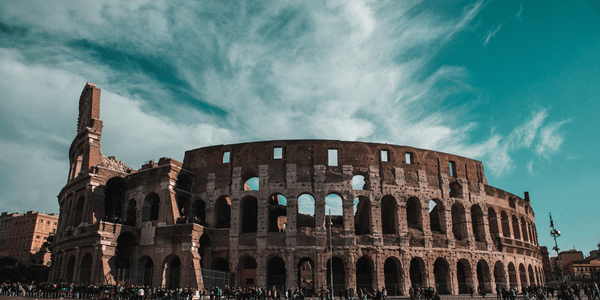
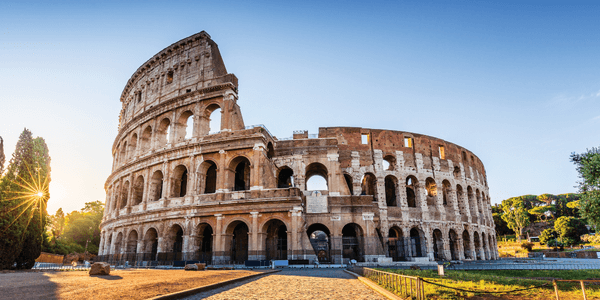
Take the southeast exit out from Roman Forum and walk all the way up to the world-famous Colosseum. It’s an incredible site to view, and if you want to go inside, you should take a tour. The tours might be expensive and time-consuming, so consider whether it is actually important to you!

The Arch of Constantine, is one of Rome’s greatest ancient triumphal arches, is located next to the Colosseum. The arch commemorates Emperor Constantine the Great’s triumph and the conflict that established Christianity as Rome’s official religion.

Piazza del Campidoglio is a great place to watch the sunset

Before dusk, sneak around the backside of a noteworthy Piazza del Campidoglio, atop Capitoline Hill. From above, you’ll have a stunning view of the Forum, with both the Colosseum and Palatine Hill in the backdrop.

DAY 2

Drink a Cappuccino at Caffé Sant’Eustachio

Caffé Sant’Eustachio, one of Rome’s most famous and oldest cappuccino and espresso businesses, is noted for its home-roast beans combined with freshwater out of an ancient aqueduct. There will be excellent Italian espresso and some interesting folks!

Pay a visit to the Pantheon

The Pantheon is the sole ancient Roman temple that have survived millennia practically complete, making it a MUST-SEE in Rome. The architecture will astound you, and you’ll want to take few moments just to relax in the piazza and soak in the majestic view before stepping inside.

Visit Piazza del Popolo.

Take a walk north towards Piazza del Popolo, and if time allows, see the magnificent cathedral of Santa Maria del Popolo.

Investigate Villa Borghese

The Villa Borghese gardens are located near the Piazza del Popolo. Pause at the eastern end for spectacular city vistas and photo possibilities.

Take a seat on the Spanish Steps

You may people-watch from the busy and renowned Spanish Steps before getting some gelato and strolling along Via dei Condotti as well as the adjoining shops to do some window shopping.

Throw a coin into the Trevi Fountain

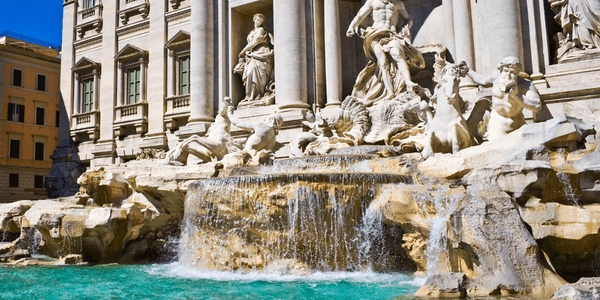
No vacation to Rome is complete without a visit to the Trevi Fountain! Toss a few pennies in to ensure that you will come back to the Eternal City one day. NOTE: Similar to all things historic, the Trevi Fountain needs continual maintenance and therefore, it may be empty at certain times, or may have work being done to it. 

DAY 3

Discover Vatican City

Get up early to avoid the bus tours to the stunning St. Peter’s Basilica, that opens at 7 a.m. If you’re feeling adventurous, climb the “cupola” after the basilica for exercise and spectacular panoramas of the city from across river.

After you’ve concluded, spend a few minutes at St. Peter’s Square in front of the Vatican Museums, that opens at 9 a.m. if you want to see history at its best. If you enjoy history, you may expect to spend the majority of your day at the Vatican!

Pay a visit to Piazza Navona

Back over the river, Rome’s famed Piazza Navona, with its Bernini fountain, cafés, vibrant street performers, and enormous crowds, is a vibrant area to people watch and eat your daily gelato.

Lose Yourself

Allow plenty of time to just get lost and uncover unexpected treasures throughout Rome, as with every first-time visit to a city. Keep a map available, but go on a stroll without the need for a plan or goal. You rarely know what you’ll come upon!

I also recommend seeing the city during the night. If you’re traveling alone and require a guide, there are innumerable nighttime walking tours available, but there’s no city like Rome at night! Don’t pass it up!

Published
Categorized as Rome